Buying property in Paphos
Purchase prices in Paphos
← Scroll the table horizontally →
| Property type / location | 1 bedroom | 2 bedrooms | 3 bedrooms | 4 bedrooms |
|---|---|---|---|---|
| Paphos, general | €140k–240k | €180k–350k | €250k–550k | €450k–900k |
| Kato Paphos / Universal | €180k–300k | €225k–565k | €290k–500k | rare |
| Chloraka | €150k–240k | €180k–350k | €280k–450k | €500k–900k |
| Peyia / Coral Bay | €130k–190k | €180k–300k | €250k–450k | €450k–800k |
| Tala | €150k–230k | €180k–300k | €300k–500k | €500k–900k |
| Geroskipou | €140k–220k | €165k–265k | €250k–450k | €450k–800k |
| Polis / Latchi | €110k–190k | €140k–260k | €220k–400k | €350k–700k |
Please note: These are practical asking ranges based on market data (Cystat, ABC Cyprus Homes, Bazaraki, Cyrentbuy, as at June 2026). Individual properties can differ considerably depending on sea views, a pool, condition, year of construction and location.
Houses, villas and apartments in Paphos
Villa & Houses
Buying a house or villa in Paphos
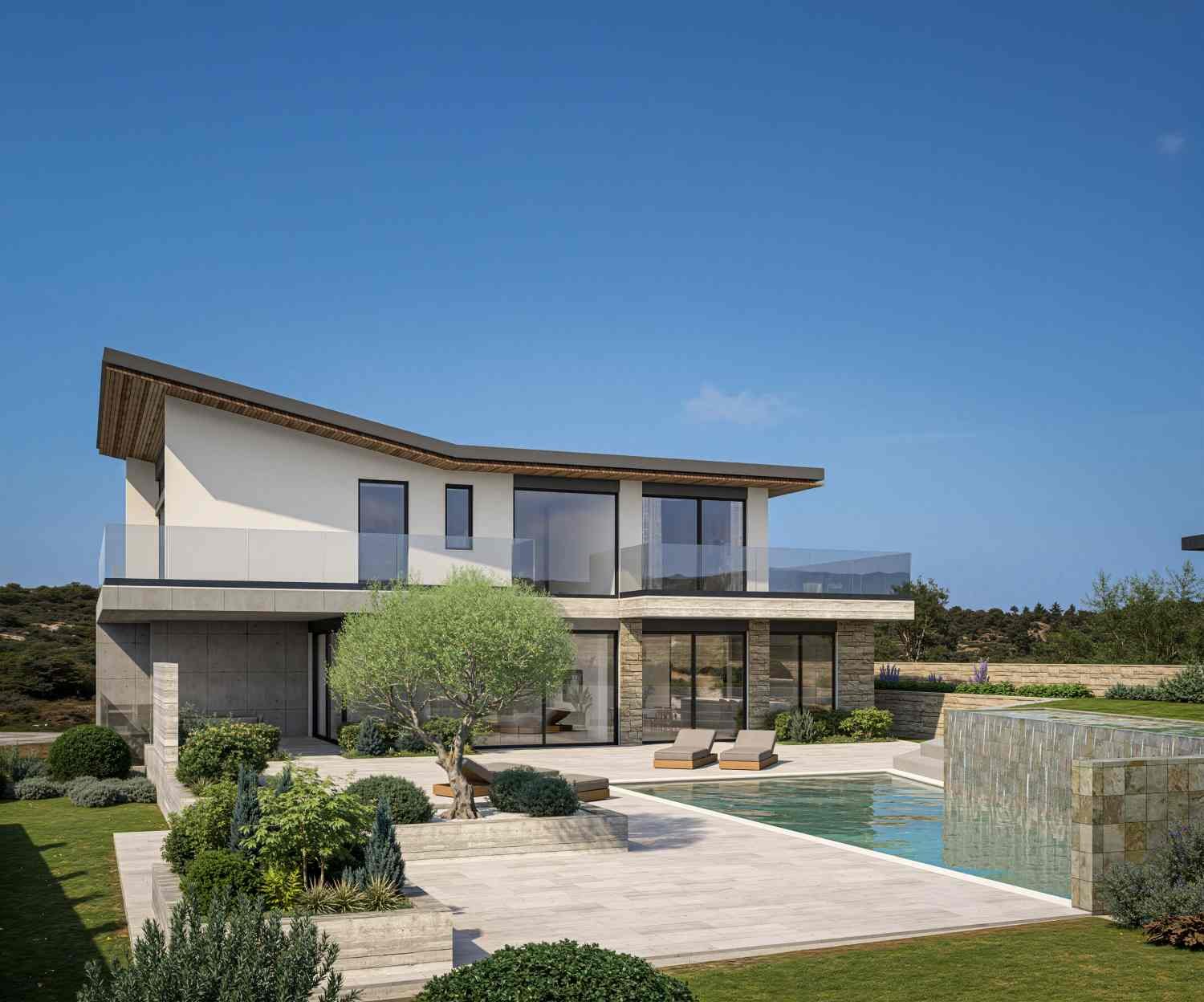
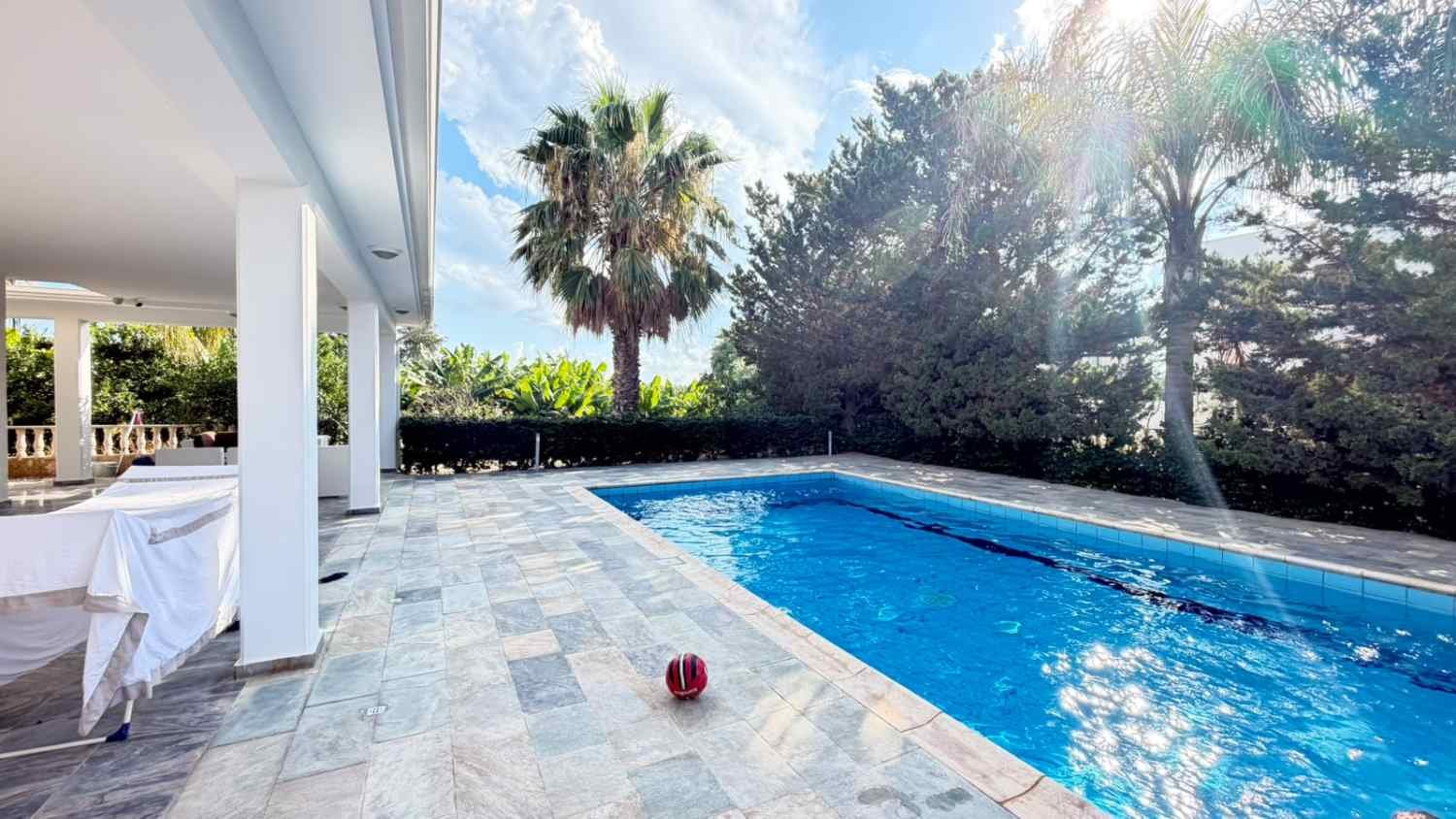
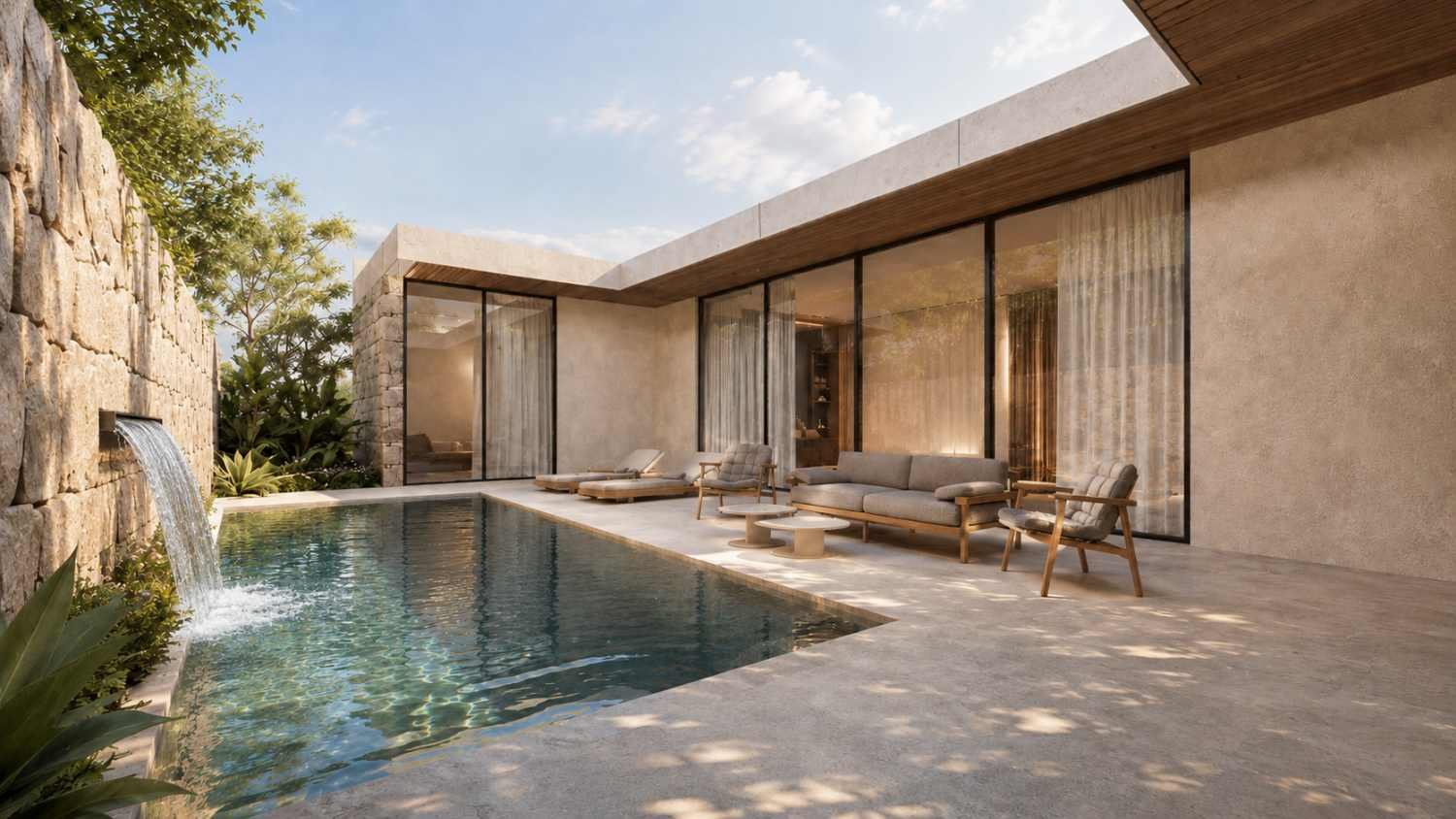
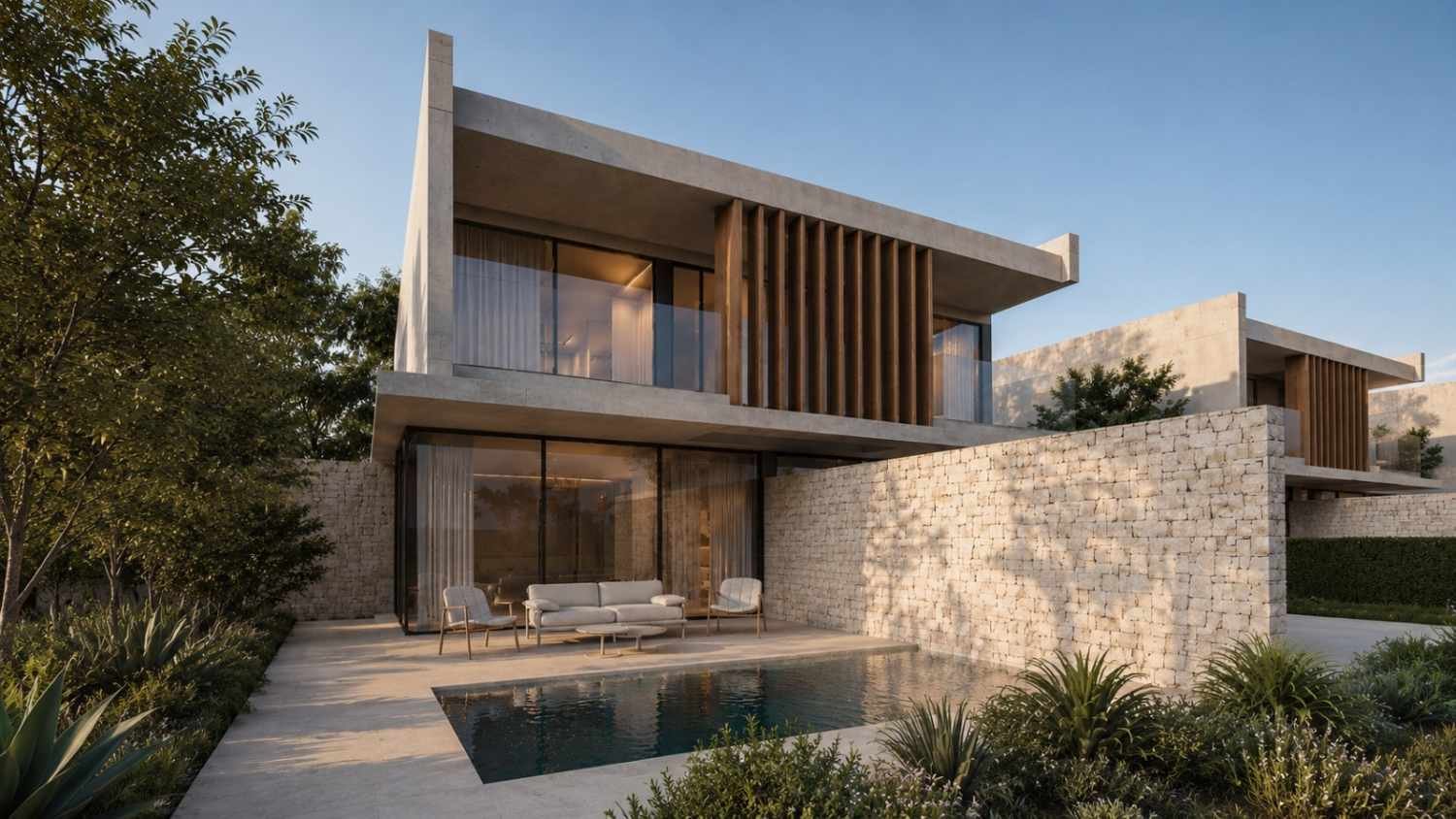
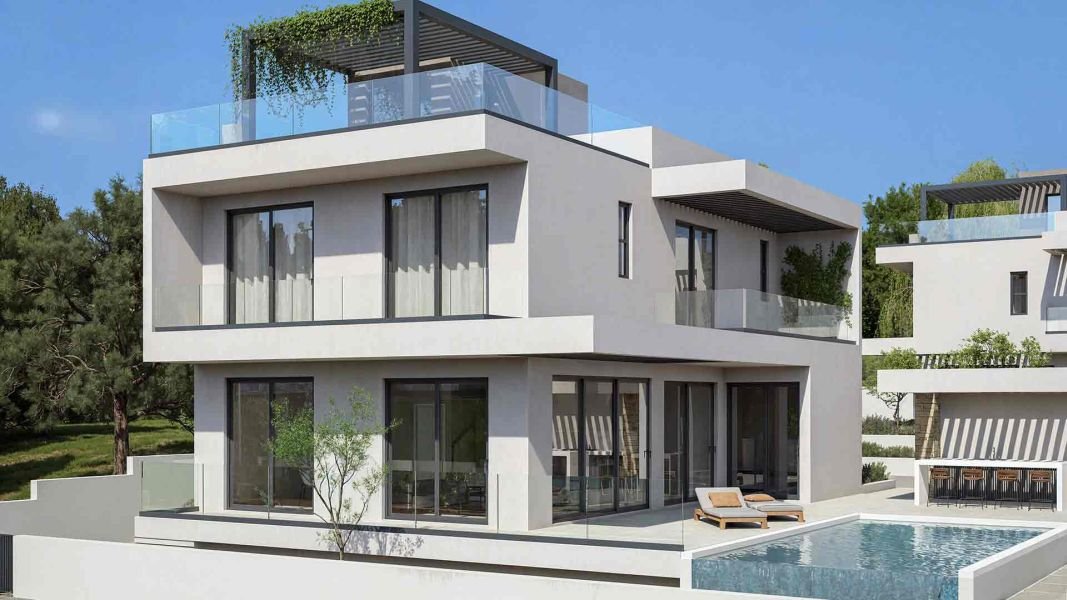
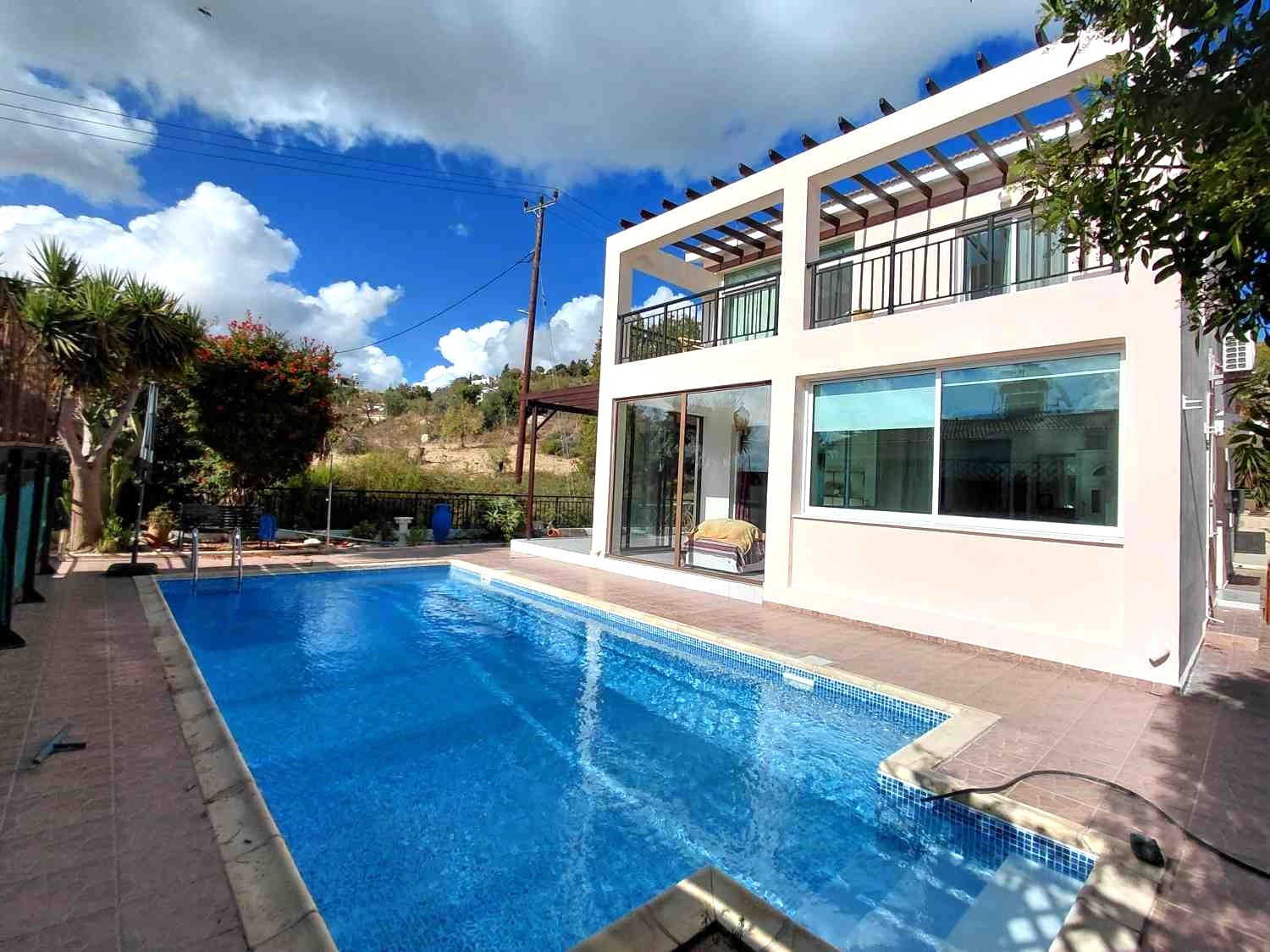
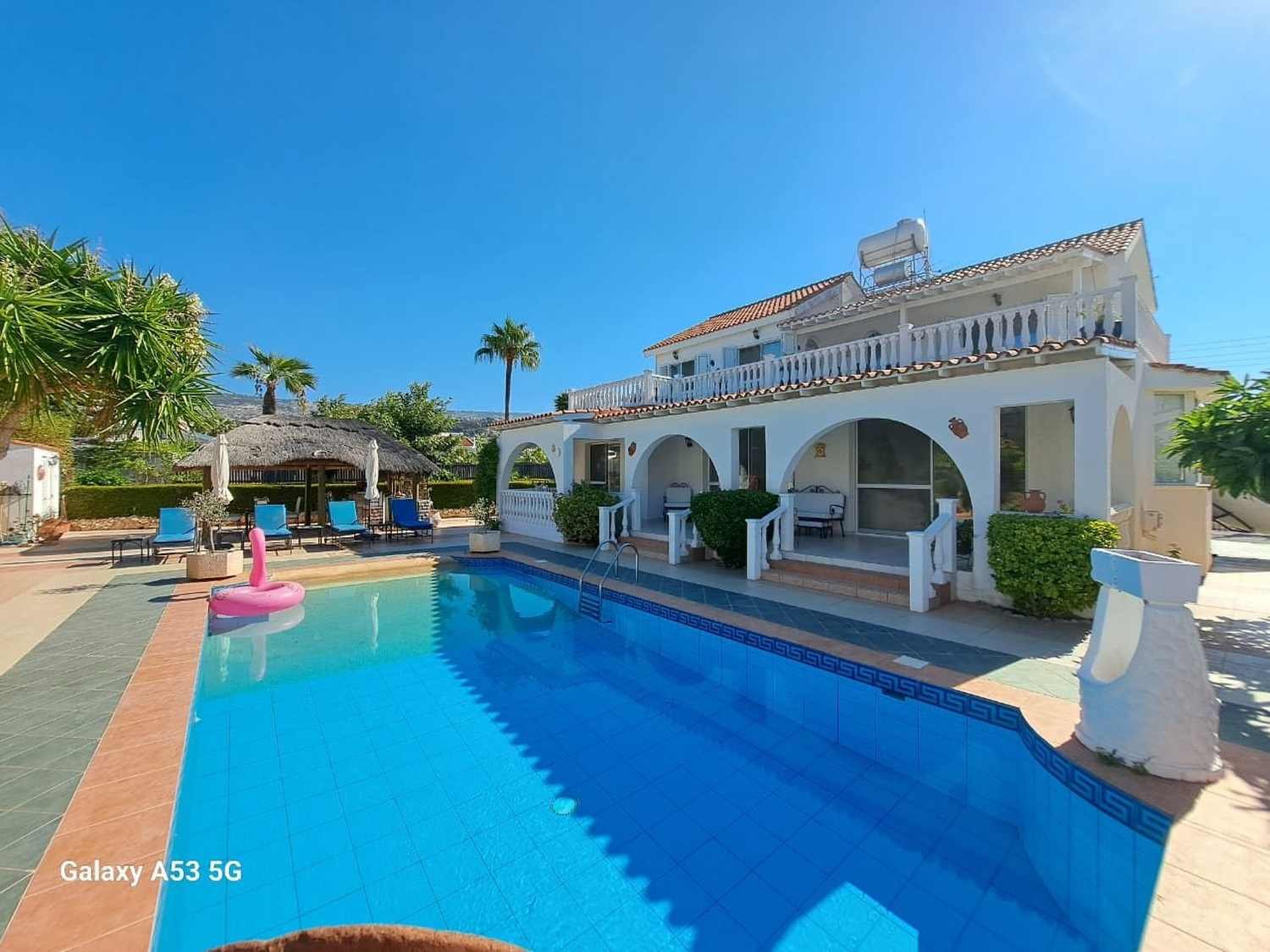
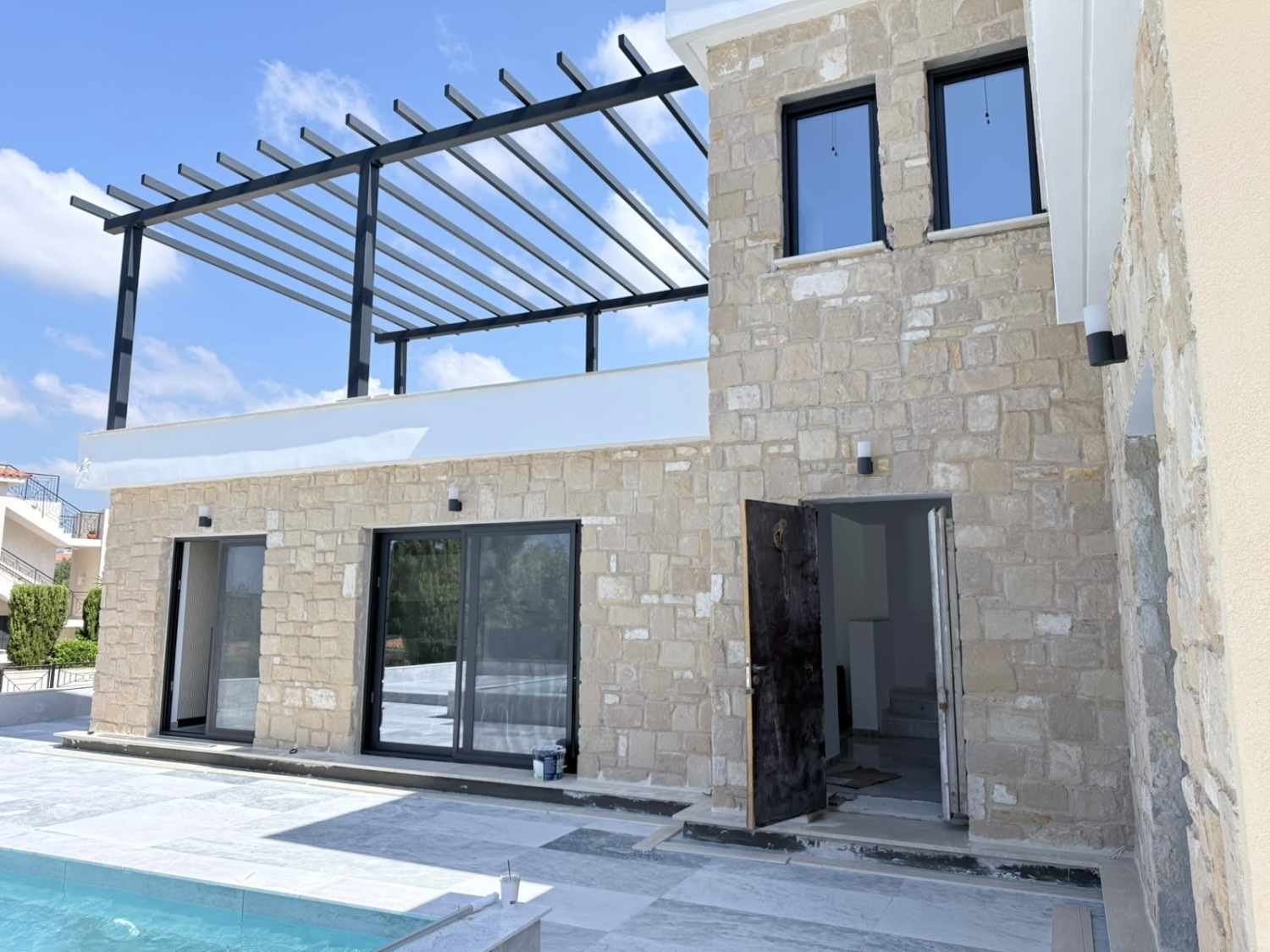
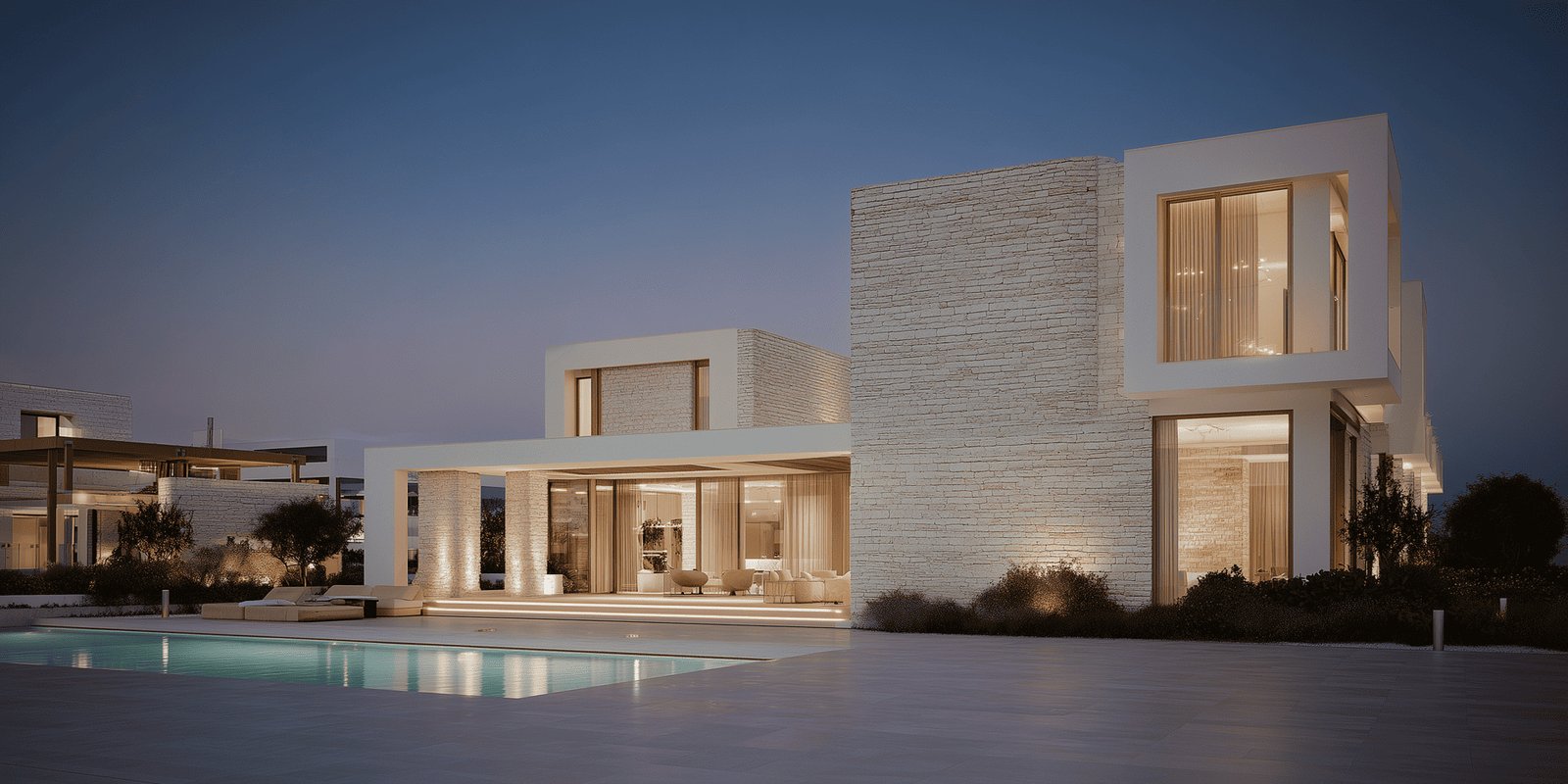
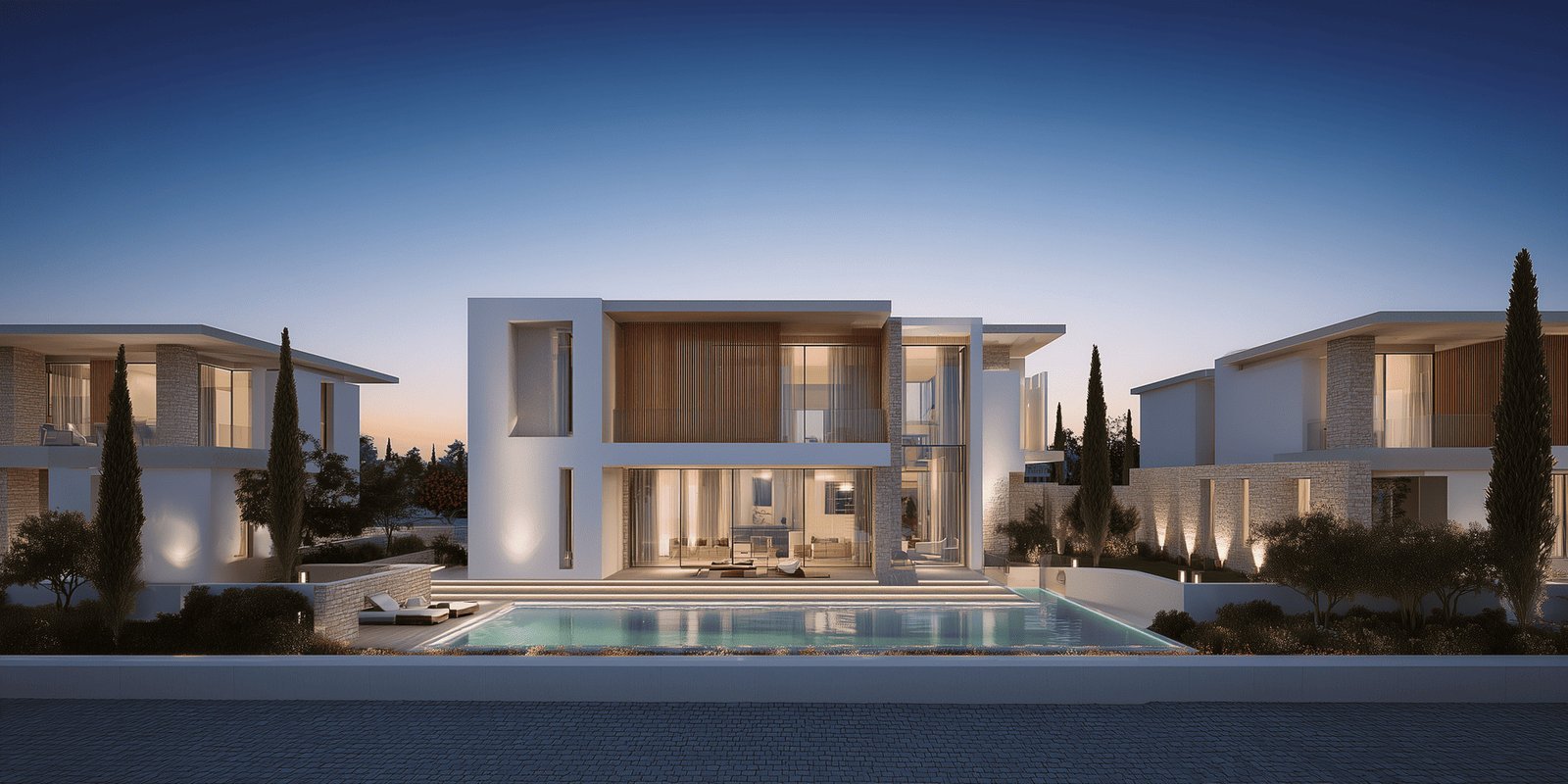
Houses and villas in Paphos — whether detached, as a bungalow or as a classic villa with a pool — offer more space of your own, a garden and room to live independently. The difference between a house and a villa here lies less in the category than in plot size, specification and price bracket.
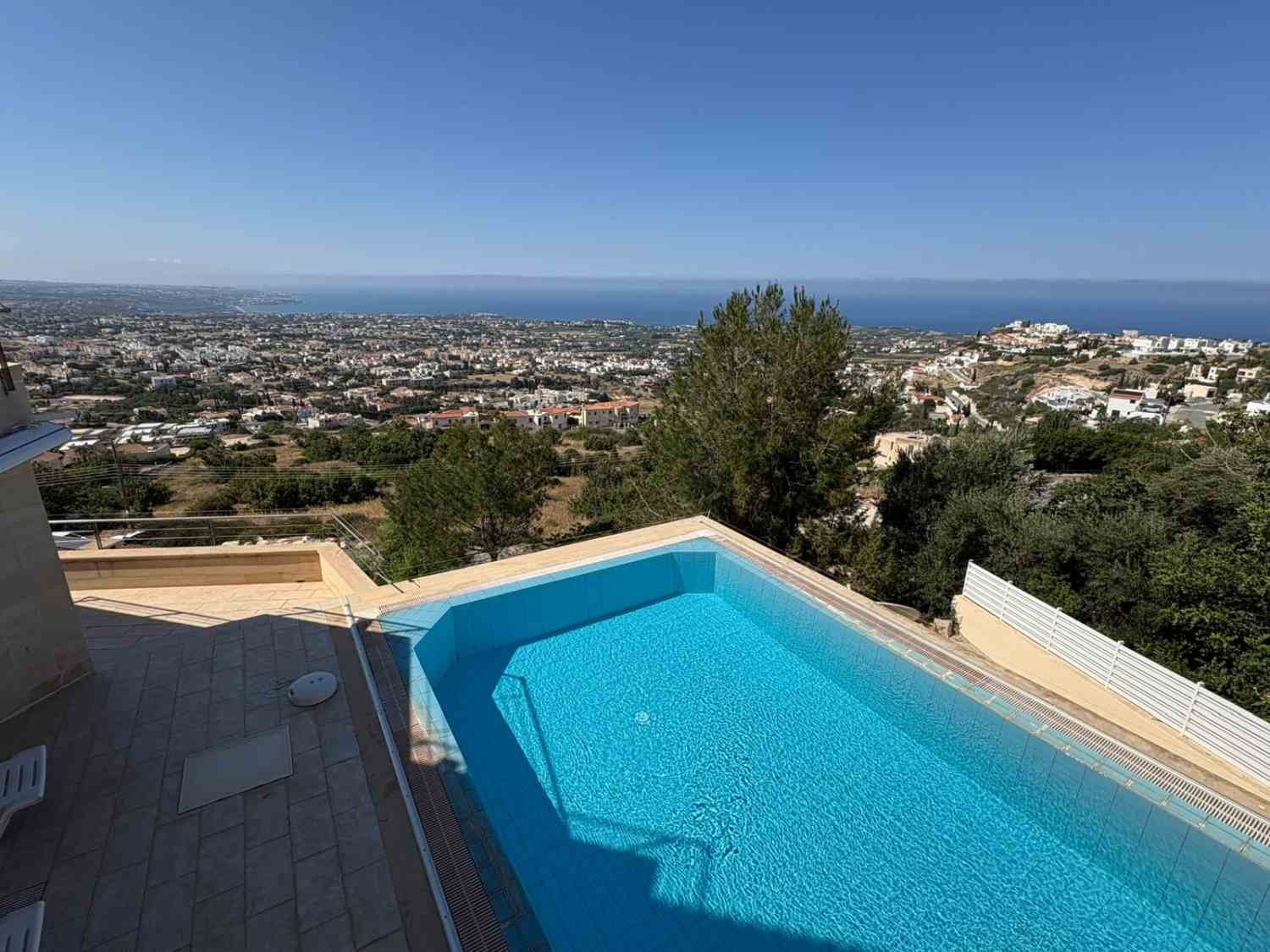
Both suit families, retired buyers and anyone planning to live in Paphos permanently. The locations in demand for detached properties with a pool and sea views are Sea Caves, Peyia, Coral Bay and Tala.
Apartment & Flats
Buying an apartment or flat in Paphos
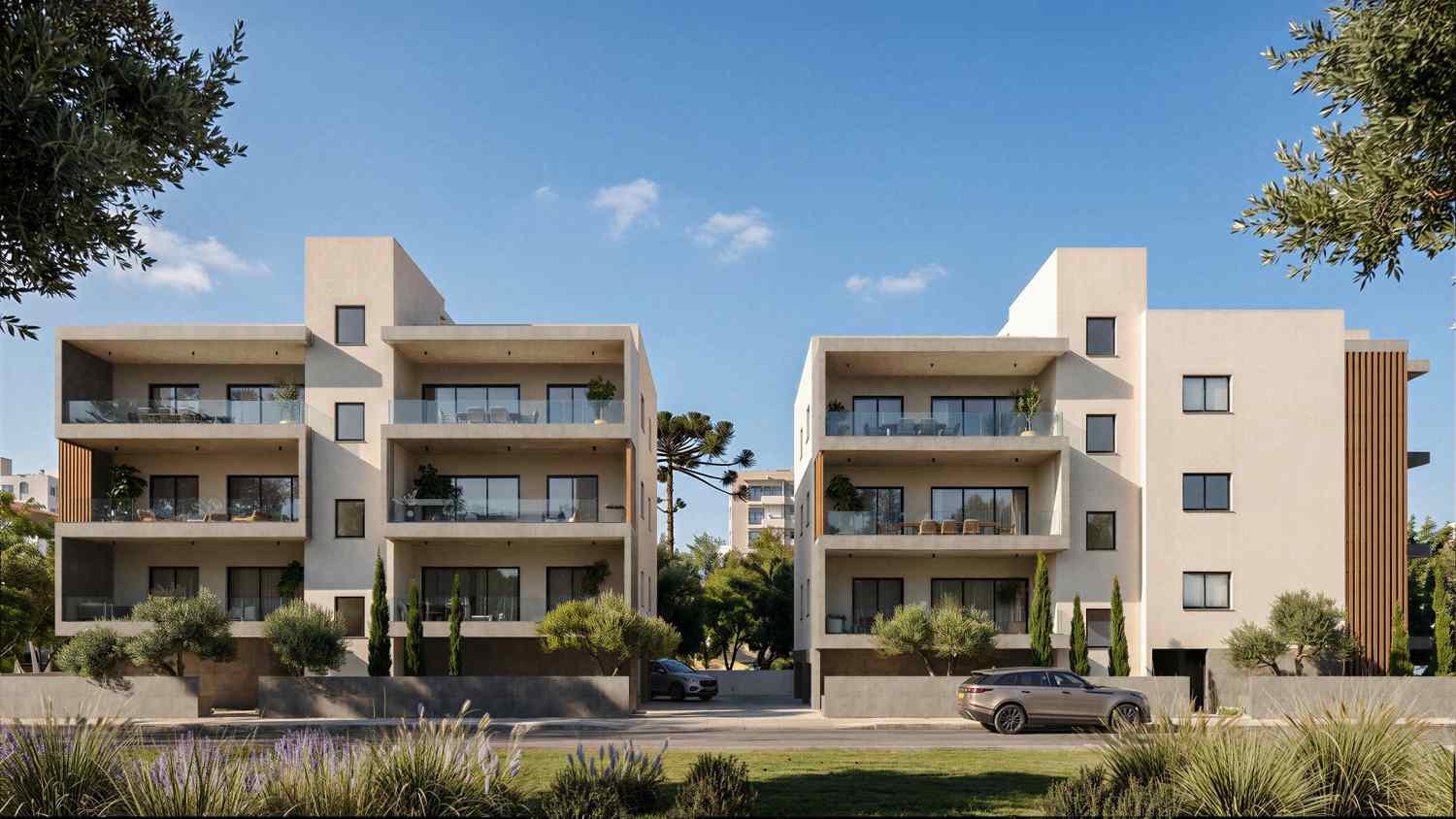
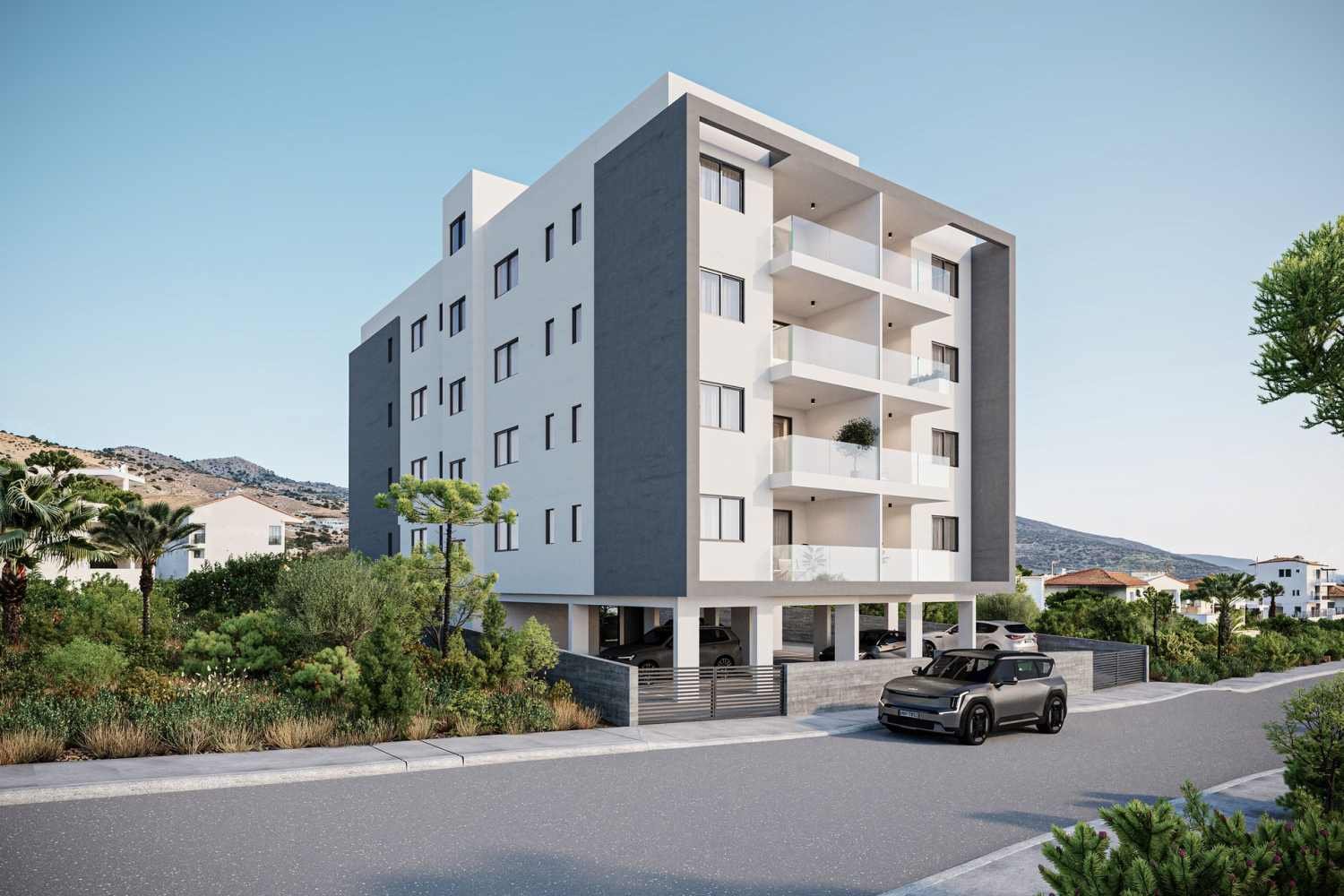
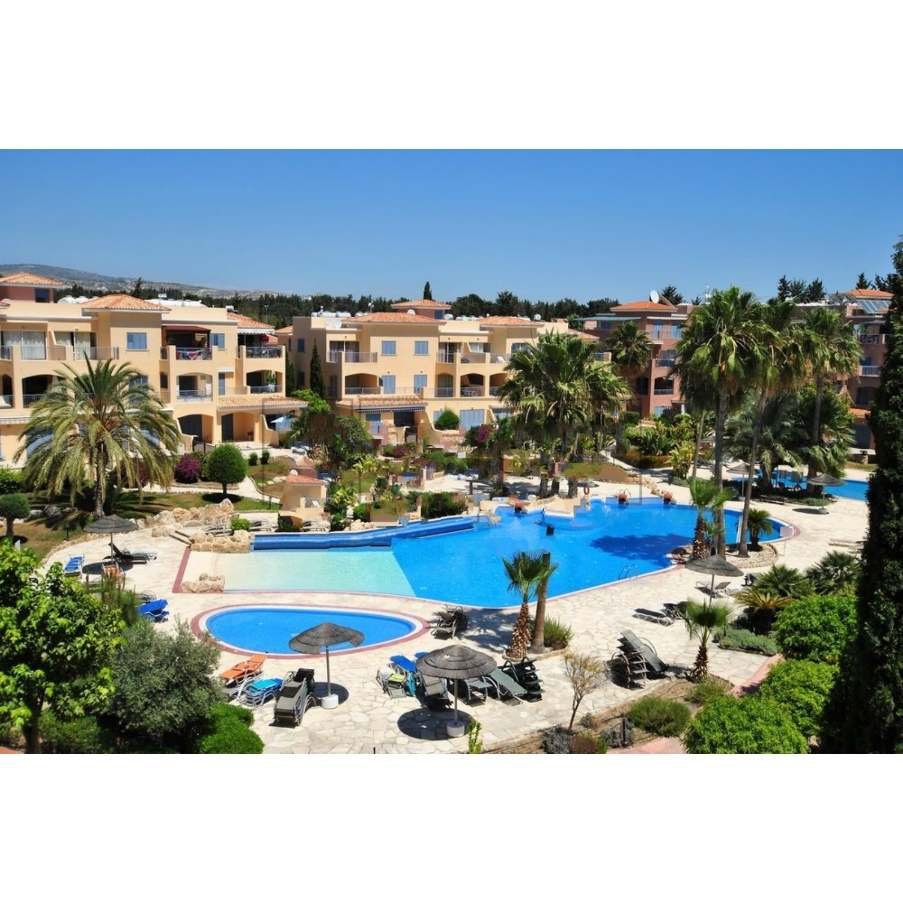
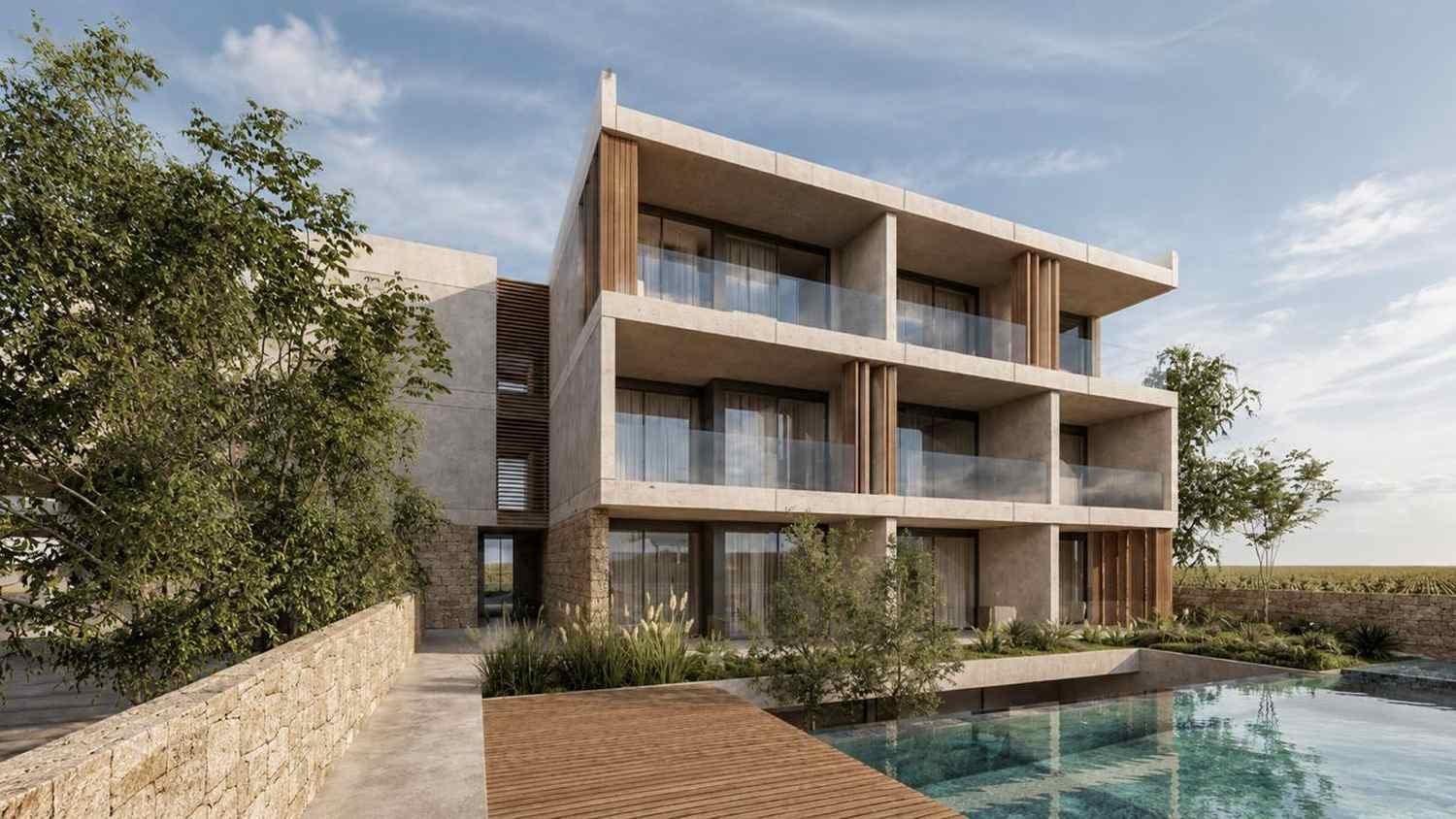
Apartments and flats are the most common choice for holiday properties, for lock-up-and-leave use and for buyers working to a compact budget. In Kato Paphos and Geroskipou you will find a good number of apartments that are well connected and close to the sea.
Penthouses often come with roof terraces and wide views. With apartments in a development, budget for the monthly communal charges — the maintenance fund, pool upkeep and shared areas — from the outset.
Popular places to buy around Paphos
Kato Paphos and Universal
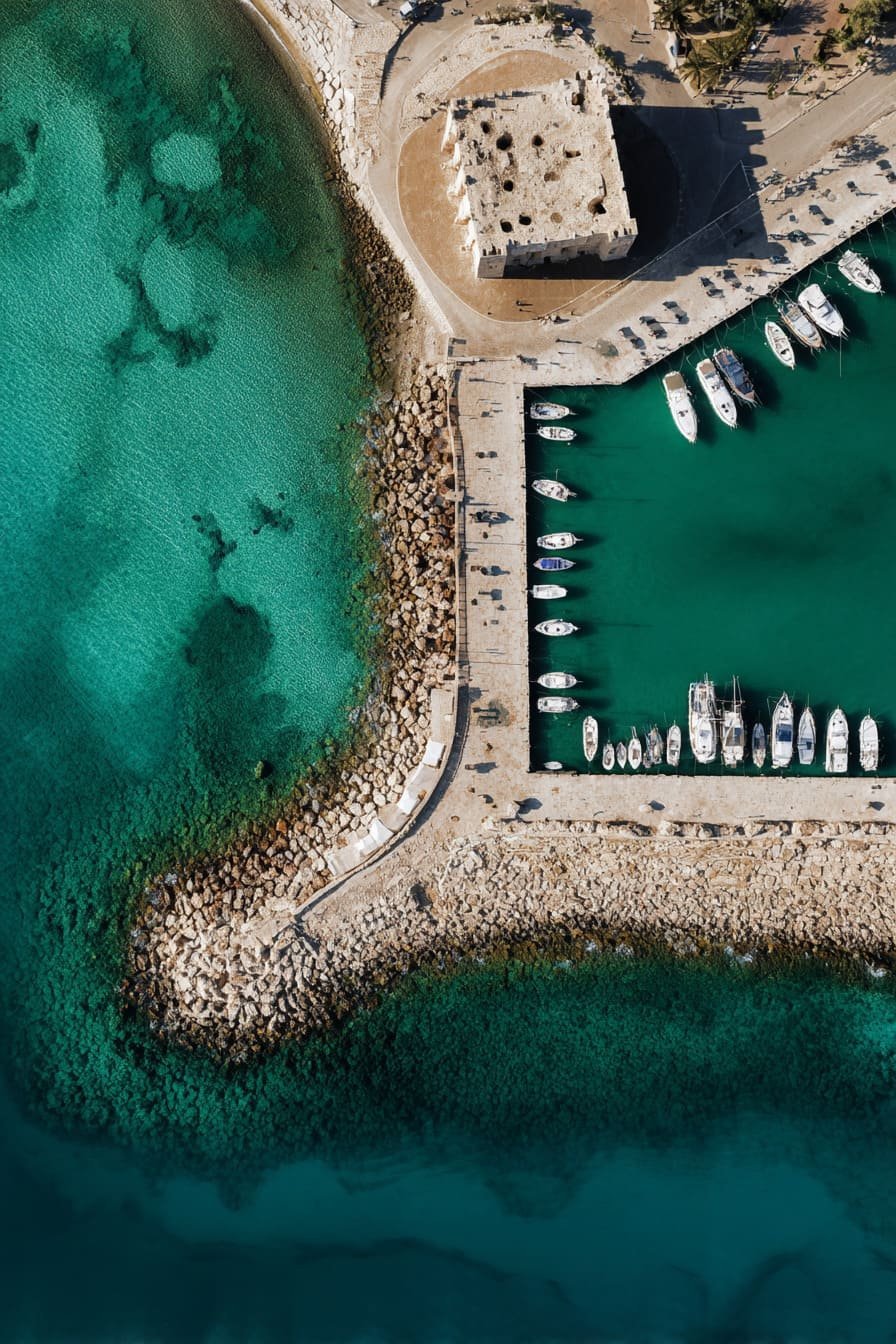
Kato Paphos is the tourist-facing centre: the harbour, the promenade, restaurants, shops and direct access to the sea. Particularly popular for apartments and holiday properties intended to be let as well. Universal is the adjoining quarter, with a good supply of townhouses.
Prices for two-bedroom apartments here typically start at around €225,000, and run higher depending on location and specification.
Chloraka, Kissonerga and the surrounding area
Chloraka lies north of Kato Paphos, around five minutes by car from the town centre, which makes it one of the most central residential locations in the Paphos district.
Over recent years it has become an established base for the international community: a great many buyers from across Europe have settled here permanently. The mix of quiet residential streets, proximity to the sea and sound infrastructure makes Chloraka a sought-after address for permanent residents and overseas buyers alike.
The same is true of neighbouring Kissonerga and the areas running towards Peyia — here too you find a lively, internationally minded community in green surroundings, still within easy reach of the centre.
Peyia and Coral Bay
Peyia (Pegeia) lies about eighteen minutes from Paphos town centre, on high ground inland with wide views — and is today one of the areas with the strongest expatriate presence in the whole region.
A great many people from across northern Europe have settled here permanently, and there is a working social life to go with it: cafés, restaurants and a well-established community.
The range includes a good number of houses and villas on larger plots. Coral Bay, the stretch of coast below Peyia, is in demand with buyers who want to combine proximity to the beach with privacy — villas with a pool and sea views move quickly here in particular
Tala
Tala is a quiet area above Paphos, around fifteen minutes from the town centre. If you want distance from the bustle of the town while staying close to shops, restaurants and the beach, Tala strikes a good balance.
The properties here are predominantly houses and villas on larger plots — apartments are rare. Tala is particularly popular with families and retired buyers who have deliberately chosen quiet and greenery.
Geroskipou
Geroskipou lies east of Paphos town, right on the coast, and is one of the few parts of the district where a substantial Cypriot population still sets the tone of daily life.
If you would rather not live exclusively in an international setting and want genuine local contact, this is where to look.
The area is well served for everyday needs: supermarkets, schools, doctors and the beach within walking distance. Apartments and smaller houses at comparatively modest prices make Geroskipou particularly attractive to first-time buyers and permanent residents. Two-bedroom apartments here sometimes start from around €165,000.
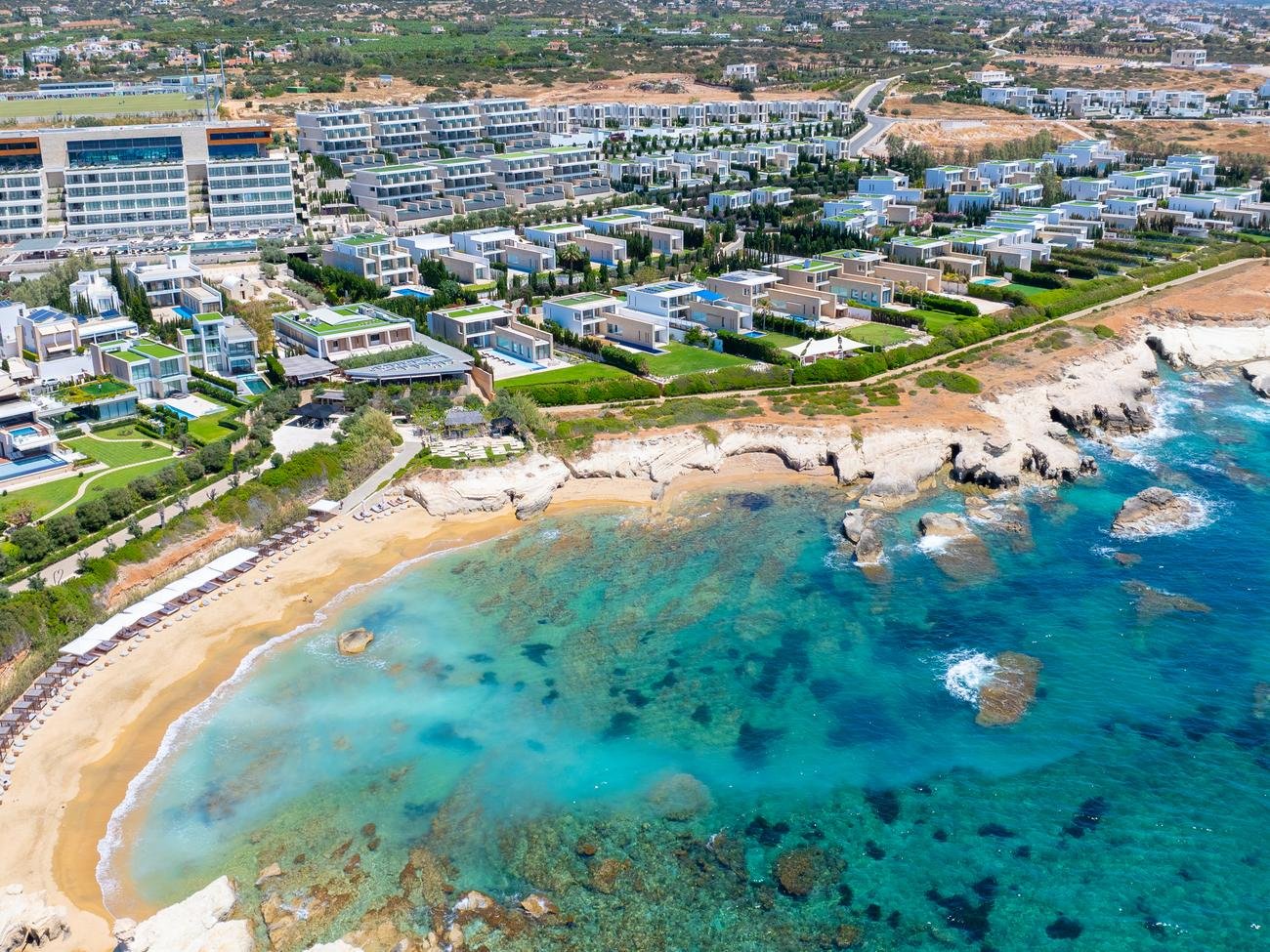
Sea Caves und Agios Georgios
Paphos as a place to live and to invest
An established international community
What surprises many people is how large the international community here is. You notice it in ordinary daily life: bakeries, bars and meeting places where residents from across Europe see each other regularly, alongside the Cypriot businesses that have always been there. English is used everywhere for property, banking and professional services.
Anyone arriving in Paphos tends to find their feet quickly — particularly in Peyia, Chloraka and Kissonerga, where a great many overseas residents have settled permanently.
New-build projects: Paphos is building again
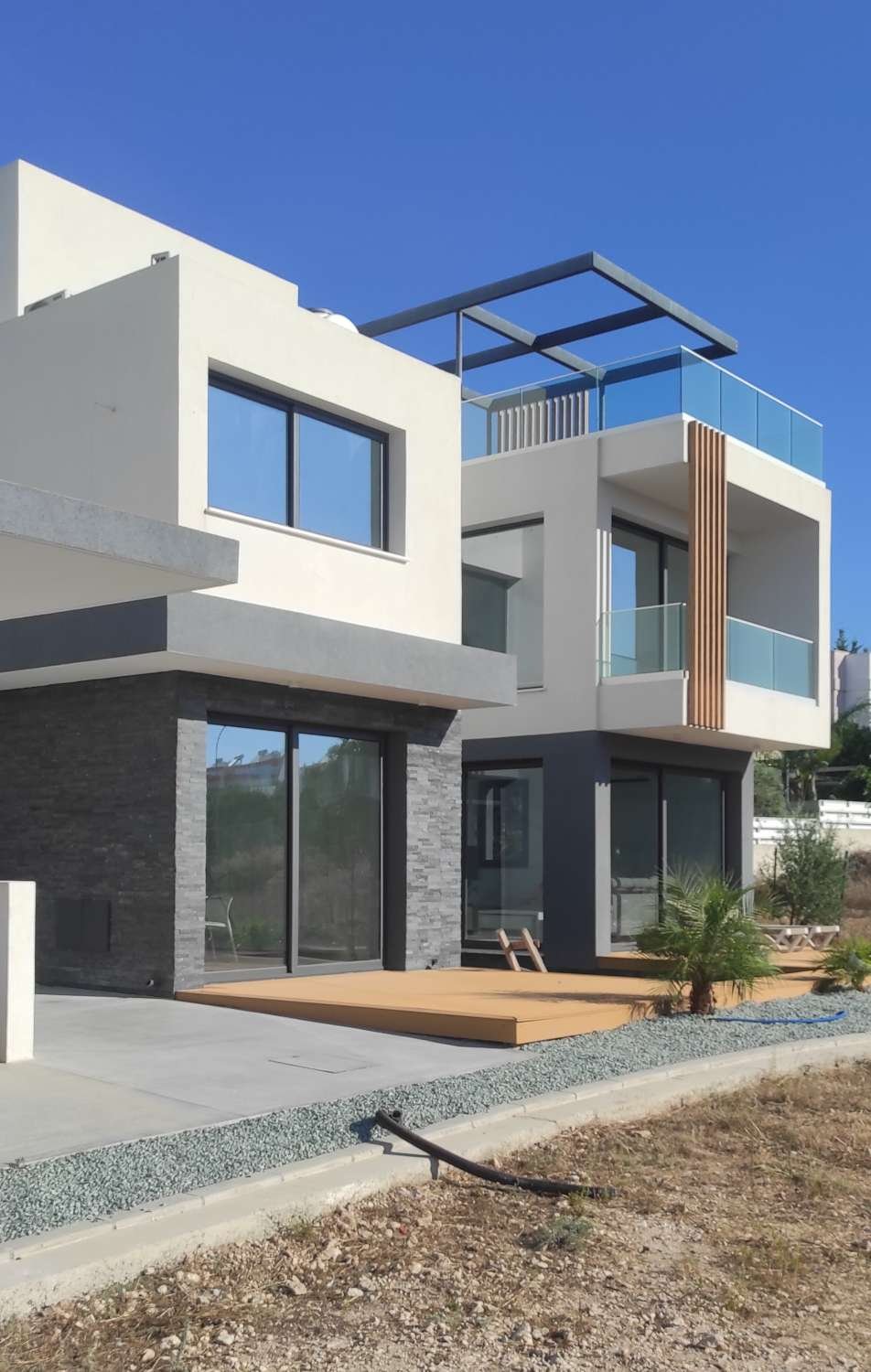
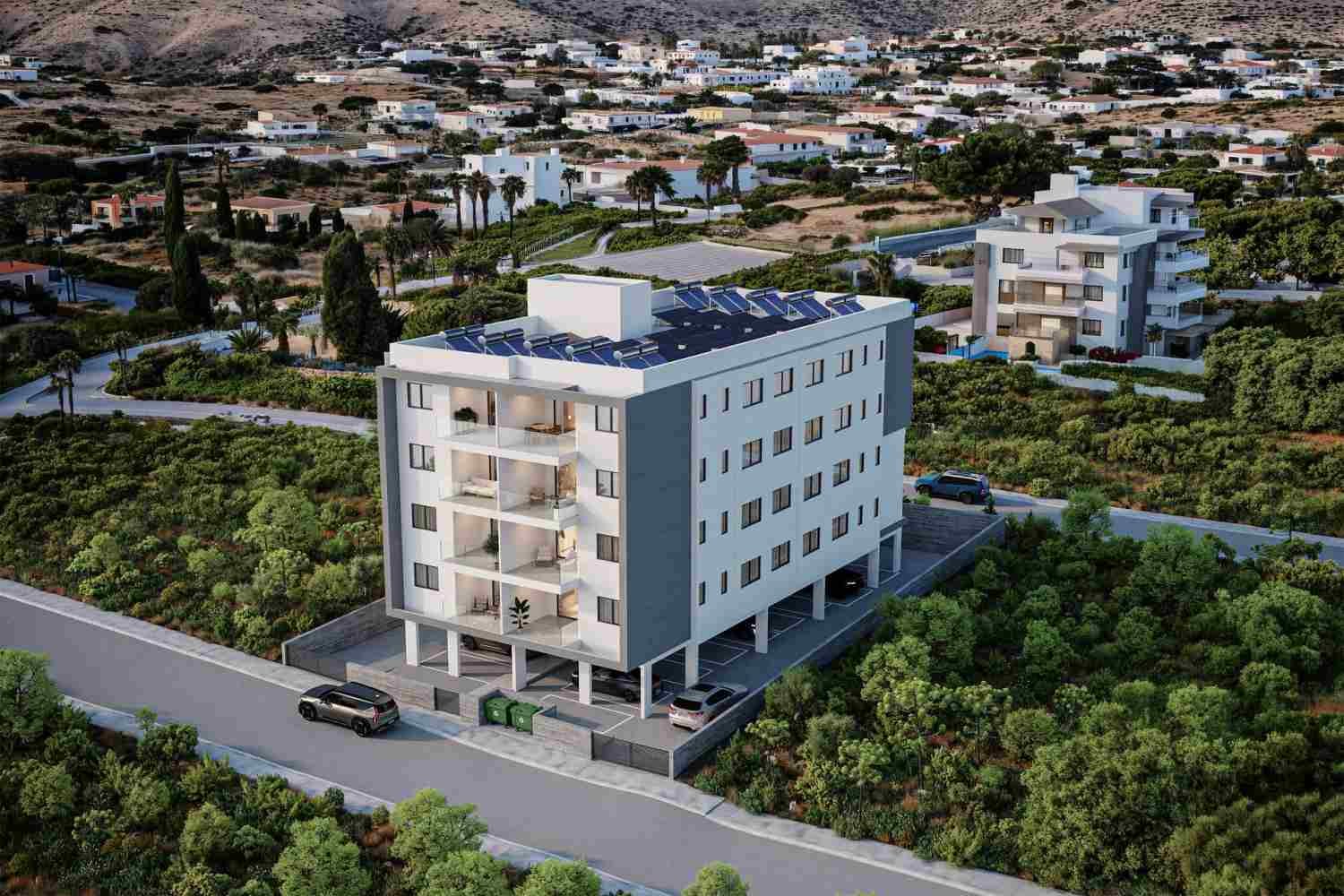
For the past two years or so Paphos has been in a noticeable building boom. New residential projects are going up in the town itself and in the surrounding villages — from compact apartments through terraced houses to villa developments with sea views.
Buying in early often still means buying at pre-completion prices.
At the same time: with new builds and off-plan projects, have the planning permissions and the certificate of final approval checked carefully before you commit. A new build is also treated differently from a resale for tax purposes.
Which option works out better for you depends on your intended use and your budget — something we are happy to go through together.
Who buys in Paphos?
- People relocating permanently to Cyprus who want a property of their own as the foundation
- Families looking for somewhere new to live
- Holiday-home buyers after a second home or a holiday house
- Investors looking for properties with long-term letting potential
- Buyers who want to stay flexible: partly for their own use, partly let out
- Retired buyers from across Europe
What overseas buyers should know about Paphos
Daily life and infrastructure in Paphos
Paphos is well served for everyday needs: supermarkets, international schools teaching in English, private clinics and a public health system (GESY), which EU citizens who have moved here can also join.
Pafos International Airport connects the region directly with a wide range of European cities — for many buyers a decisive advantage, since visits home or trips to Cyprus are possible without changing flights.
The international community in Paphos is large enough that recommendations for doctors, tradespeople and other services circulate freely, and there are regular meeting points for newcomers.
Pets in Paphos: dogs and cats welcome
If you are moving to Paphos with a dog or a cat, you will find a pet-friendly environment. There are numerous animal shelters and welfare organisations in the region — so anyone wanting to take on a pet in Paphos has a good chance of finding one locally rather than bringing one with them.
For bringing a pet into Cyprus from within the EU, the standard EU rules apply (EU pet passport, microchip, valid rabies vaccination). As an island, though, Cyprus has additional entry conditions that should be checked in advance.
When searching for a property, it is worth looking at whether the plot suits an animal, whether the garden is fenced, and what the pet policy is in an apartment development. We go through all of that with you at the shortlist stage.
Residency: EU, non-EU and mixed couples
Citizens of EU member states can buy property in the Republic of Cyprus without restriction and settle here permanently without special permission.
It works differently for non-EU nationals, including UK and Swiss citizens: they need a permit from the Council of Ministers to acquire property, a process normally handled by the buyer’s lawyer. For mixed couples, where one partner does not hold an EU passport, residency is an important point to plan for early.
As general orientation: buying a property does not in itself confer any right of residence. For binding information on residence permits, we recommend instructing a lawyer in Cyprus who specialises in the area.
Build quality and specification in Paphos
Build quality in Cyprus is not uniform — it varies considerably with the year of construction, the developer and the price bracket.
Buyers used to northern European standards should check the following points specifically:
Insulation (less of a given in Cyprus than in cooler climates), the quality of the air conditioning installed (which matters a great deal through the hot summers), the standard of workmanship on floors, windows and wet rooms, and the building’s energy certificate.
New builds from the last two or three years generally meet considerably higher standards than older properties. With a resale, an independent survey before purchase is advisable — we can help you find the right surveyor.
What buyers should check on the ground
Location and access:
how far to the supermarket, the doctor, a school, the beach and the airport? What is the road like, and how does the area feel at different times of day?
Condition and specification:
structural condition, the state of the roof, windows and wet rooms, the air conditioning, insulation, and what renovation the property actually needs.
Running costs and management:
the communal charges on a development, who manages it, pool and garden upkeep, electricity, water and insurance.
Documents and title:
the title deed, any encumbrances, the planning permissions and — on a new build — the certificate of final approval.
Please note:
The information on the buying process and the documents is general orientation and does not replace legal advice. For binding information, please consult a lawyer licensed in Cyprus.
Buying a property in Paphos, step by step
Please note: These steps are general orientation. Every purchase is different. For binding information on the process, taxes and documents, please consult a lawyer licensed in Cyprus.
1. Offer and reservation
reservation agreement is normally drawn up. That holds the property while the legal checks run. A reservation deposit of 5 to 10 per cent of the agreed price is usual.
It is not paid directly to the vendor but held in the instructed lawyer’s client account — which protects your money throughout the checking process.
Important: the reservation is not yet a binding contract of sale. It gives you and the vendor time to work through the remaining steps properly, without time pressure.
2. Lawyer and due diligence
A lawyer licensed in Cyprus is not an optional extra when buying property. Instructing one is standard practice, and it is there to protect you as the buyer. The lawyer carries out the due diligence:
They check the title deed at the Land Registry, confirm that no encumbrances such as mortgages or charges are registered, and verify that all the planning permissions are in place. On a new build they check the certificate of final approval as well.
If you cannot travel to Paphos in person, that is not a problem. You can grant the lawyer a power of attorney, certified in the proper form.
They then act in your name — signing the contract, lodging it with the Land Registry and handling
3. Contract of sale, taxes and costs
Once the due diligence is complete, the contract of sale is drawn up, signed by both parties and certified. The key point: the contract must be lodged with the relevant District Land Registry within 60 days. Lodging it is what protects your position as buyer — a step your lawyer takes care of.
On the costs: new builds bought directly from a developer attract VAT, as a rule at 19%. Buyers using the property as a main residence can apply for the reduced rate of 5% under certain conditions. Since June 2026, however, that applies only to the first 130 square metres, up to a total area of 190 square metres.
Resale properties do not attract VAT. Instead there are tiered Land Registry transfer fees of 3%, 5% or 8% depending on the purchase price. Stamp duty on contracts of sale was abolished in 2026.
Budget for legal fees as well (usually 1–2% of the purchase price) and, if you are borrowing, for what the bank will want: Cypriot banks generally expect foreign buyers to put down a deposit of at least 30 to 40%. Buying outright avoids that step altogether.
4. Final payment, registration and handover
When all the documents have been checked, all the permissions are in place and every tax and fee has been settled, the balance of the purchase price is transferred, normally through the lawyer’s client account.
Your lawyer then arranges the official registration of title in your name. Only with that registration are you the full legal owner of the property — not at the handover of the keys.
The two usually happen close together. From that moment the property is yours: the land, the building, the pool, the garden.
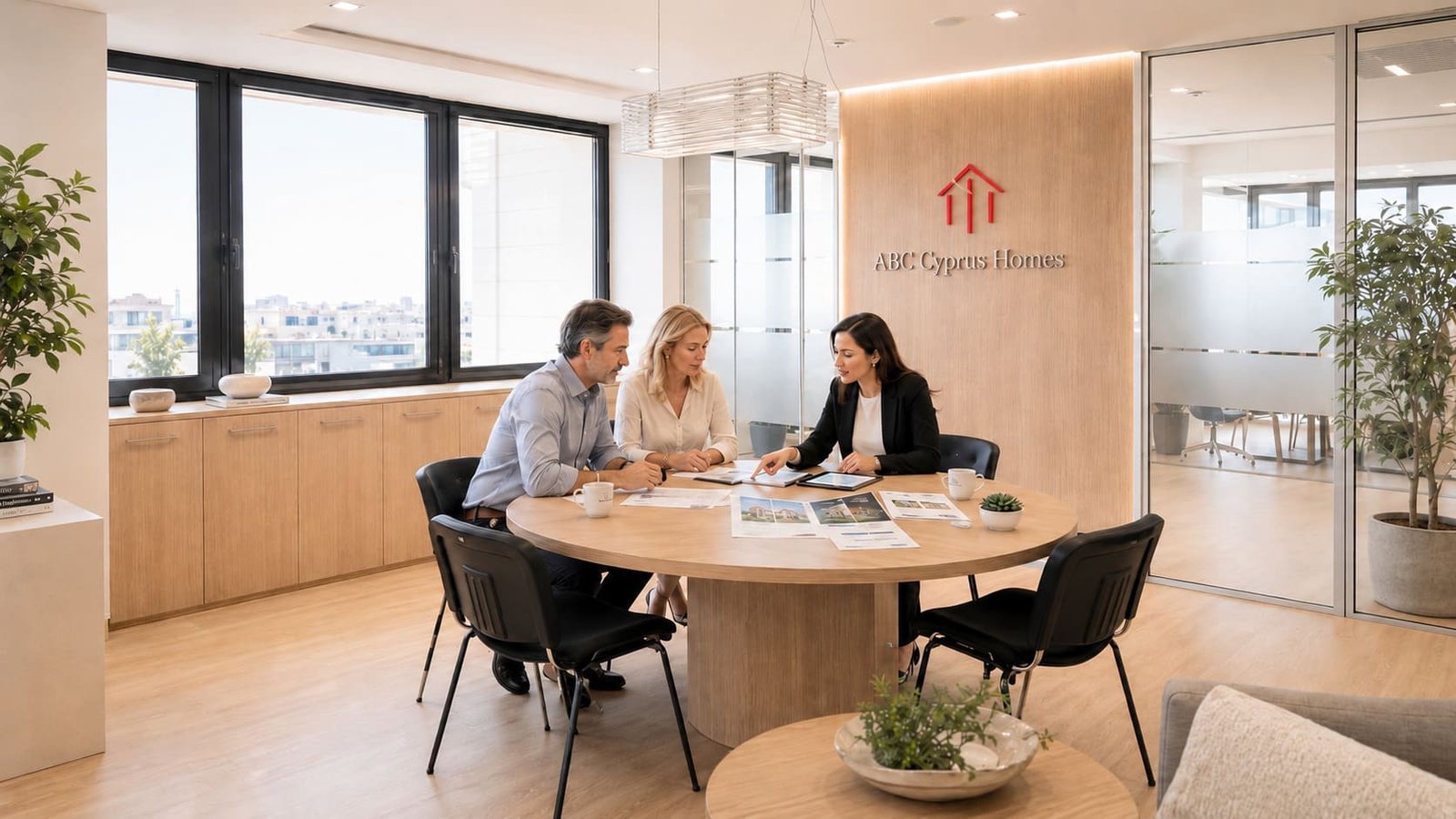
Support through the purchase from ABC Cyprus Homes
Brief and shortlist
you tell us your budget, your preferred location, the property type and how you plan to use it. We build a focused shortlist from what is available — not endless portal lists, but a sensible selection of properties that fit.
Viewings in person or by video:
if you are travelling to Paphos, we arrange the viewings and come with you. If you would rather make a first assessment from a distance, we prepare video viewings that give you a realistic impression of the property and the location.
A local read
we know the locations in Paphos from working in them: their advantages, their drawbacks, how they are changing and what photographs never show. We tell you that directly, without dressing it up.
Coordination and next steps
once you have chosen, we support the coordination with the lawyer, the communication with the vendor and the rest of the process through to registration at the Land Registry.
FAQ
Frequently asked questions about buying property in Paphos
Which areas of Paphos are most popular for buyers?
Kato Paphos is popular for apartments and holiday properties near the sea. Chloraka attracts permanent residents who want to combine quiet with proximity to the coast. Peyia and Coral Bay offer larger plots and villas. Tala is of interest to families and retired buyers who prefer a hillside setting and open country. Geroskipou offers good everyday infrastructure at lower prices. Sea Caves is the first choice for high-specification villas with maximum privacy and sea views.
What does a house in Paphos cost?
Houses and villas in the Paphos district start at roughly €250,000 for a smaller property in a quieter location and run well beyond a million depending on plot size, specification, a pool and sea views. Prices vary considerably by area, by condition and by whether the property is a new build or a resale. For a reliable picture we suggest comparing specific properties — ideally with local advice.
Can foreign nationals buy in Paphos?
Are there villas with sea views in Paphos?
Should I buy an apartment, a house or a villa in Paphos?
That depends on how you will use it. For holiday stays on a lock-up-and-leave basis, apartments in a development are often the simpler choice. For permanent living or for families, a house with a garden usually suits better. Villas work for buyers who put privacy, space and a high standard of finish first. We are happy to talk it through with you individually.
How does a viewing in Paphos work?
What costs should I budget for on top of the purchase price?
Depending on the property, either Land Registry transfer fees (on a resale) or VAT (on a new build). Beyond that: legal fees, agency commission where applicable, and ongoing costs such as communal charges on a development, municipal rates and insurance. For an exact breakdown on a particular property, your lawyer is the right person to ask.